
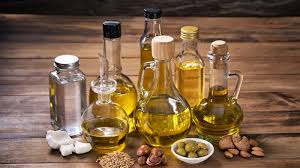
The humble bottle of cooking oil is more than just a liquid for frying. It’s a key ingredient that can make or break a dish, influencing everything from the crispiness of your fries to the subtle flavor of your sautéed vegetables. With a dizzying array of options on grocery store shelves, choosing the right oil can feel overwhelming. But don’t worry—we’re here to help you navigate the world of cooking oils and select the perfect one for every culinary task.
Understanding the Basics: Smoke Point and Flavor
Two of the most important factors to consider when choosing a cooking oil are its smoke point and its flavor profile.
Smoke Point: This is the temperature at which an oil begins to break down and smoke. When an oil smokes, it releases harmful free radicals and can give your food a bitter, burnt taste.
High Smoke Point Oils are ideal for high-heat cooking methods like frying, searing, and roasting.
Low Smoke Point Oils are best reserved for low-heat cooking, dressings, and finishing dishes.
Flavor Profile: The flavor of an oil can range from neutral to intensely aromatic.
Neutral-flavored oils are versatile and won’t interfere with the taste of your ingredients. They are perfect for general-purpose cooking and baking.
Strong-flavored oils add a distinctive taste to your food. Think of the rich, nutty notes of sesame oil or the peppery finish of a good olive oil.
A Guide to Popular Cooking Oils
Let’s break down some of the most common cooking oils and their ideal uses.
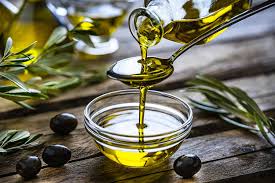
1. Olive Oil
Smoke Point: Medium (around 375°F / 190°C)
Flavor: Varies from mild to peppery and grassy.
Best For: Sautéing, pan-frying, salad dressings, and as a finishing oil. Extra virgin olive oil (EVOO) is a favorite for drizzling over salads, soups, and bread due to its robust flavor. Use regular or “light” olive oil for cooking, as they have a slightly higher smoke point.
2. Canola Oil
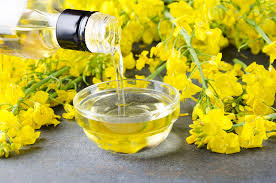
Smoke Point: High (around 400°F / 204°C)
Flavor: Neutral.
Best For: All-purpose cooking, deep-frying, stir-frying, and baking. Canola oil is a workhorse in the kitchen, offering versatility and a high smoke point without overpowering the flavor of your food.
3. Coconut Oil
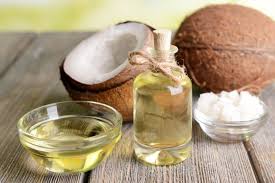
Smoke Point: Medium-High (around 350°F / 177°C for unrefined; 450°F / 232°C for refined)
Flavor: Distinctive coconut flavor (unrefined) or neutral (refined).
Best For: Baking, sautéing, and adding a tropical twist to dishes. Refined coconut oil is a great option for high-heat cooking if you want to avoid the coconut flavor. It’s also a solid choice for vegan baking as a butter substitute.
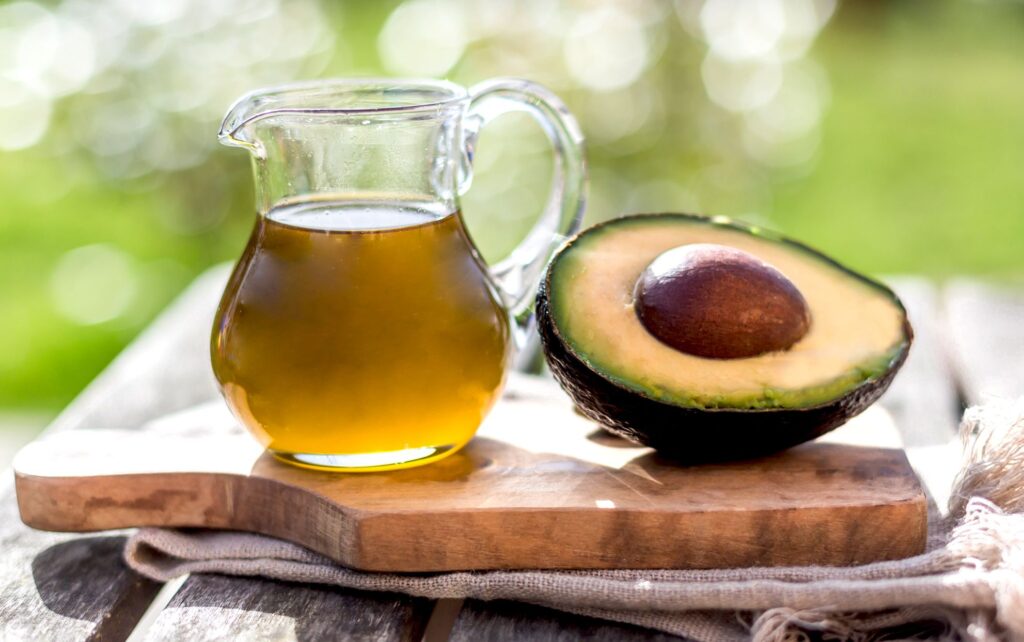
4. Avocado Oil
Smoke Point: Very High (around 520°F / 270°C)
Flavor: Mild and buttery.
Best For: High-heat searing, grilling, roasting, and frying. If you need an oil that can handle the heat, avocado oil is your go-to. Its high smoke point makes it one of the safest and most stable oils for intense cooking.
5. Sesame Oil
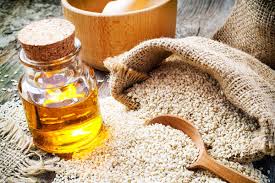
Smoke Point: Low (around 350°F / 177°C)
Flavor: Intense, nutty aroma.
Best For: Adding flavor to Asian dishes, marinades, and stir-fries. A little goes a long way! Use toasted sesame oil as a finishing oil to add a burst of flavor at the end of cooking.
6. Grapeseed Oil
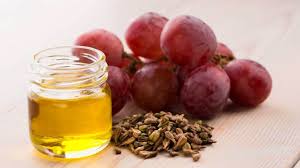
Smoke Point: High (around 420°F / 215°C)
Flavor: Light and neutral.
Best For: Sautéing, baking, and dressings. Grapeseed oil is a great alternative to canola or vegetable oil, known for its clean taste and light texture.
Quick Tips for Choosing the Perfect Oil
For High-Heat Cooking: Reach for avocado oil, canola oil, or refined coconut oil.
For Sautéing and Pan-Frying: Olive oil, grapeseed oil, or sunflower oil are excellent choices.
For Dressings and Drizzling: Extra virgin olive oil and nut oils (like walnut or sesame oil) are perfect for adding flavor without heat.
For Baking: Use neutral-flavored oils like canola or vegetable oil, or a solid fat like refined coconut oil.
By understanding the unique properties of each cooking oil, you can move beyond simply “frying” and start building incredible layers of “flavor” into every dish. The next time you’re in the grocery aisle, take a moment to consider the purpose of your oil—your taste buds will thank you!
A Deeper Dive: Beyond the Basics
Now that you’ve got the fundamentals down, let’s explore some less common but equally valuable oils and a few more advanced tips to elevate your cooking. The world of oils is vast, and knowing a few more players can open up exciting new culinary possibilities.
The Specialty Oils: For Flavor and Finesse
While canola and olive oil are kitchen staples, these specialty oils can be the secret ingredient that transforms a good dish into a great one. They are often more expensive, so they’re typically used for finishing or low-heat applications where their unique flavors can shine.
Walnut Oil:
Smoke Point: Low (around 320°F / 160°C).
Flavor: Rich, nutty, and slightly earthy.
Best For: Salad dressings, drizzling over roasted vegetables, and baking. Use it in a vinaigrette for a fall salad or to add depth to a simple pasta dish. Avoid using it for high-heat cooking, as the flavor will turn bitter.

Toasted Sesame Oil:
Smoke Point: Low (around 350°F / 177°C).
Flavor: Intense, nutty, and smoky.
Best For: Finishing dishes, stir-fries, and marinades. Toasted sesame oil is a flavor powerhouse. A single teaspoon can provide a huge boost to your stir-fry or noodle soup. It’s best added at the very end of cooking to preserve its delicate flavor.
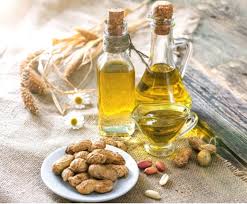
Peanut Oil:
Smoke Point: High (around 450°F / 232°C).
Flavor: Mild and nutty.
Best For: Deep-frying, stir-frying, and high-heat cooking. Peanut oil is a favorite for Asian cuisine and deep-frying due to its high smoke point and a flavor that complements a wide range of ingredients without being overpowering.
Decoding “Refined” vs. “Unrefined”
You’ll often see these terms on oil bottles, and understanding them is crucial for knowing how to use the oil.
Unrefined Oils (e.g., Extra Virgin Olive Oil, Virgin Coconut Oil) are minimally processed. They retain their natural color, flavor, and nutrients. However, this also means they have a lower smoke point and are not suitable for high-heat cooking. Use them for dressings, dips, and low-temperature sautéing.
Refined Oils (e.g., Canola Oil, Refined Coconut Oil) undergo a process that removes impurities and strong flavors. This process increases their smoke point, making them stable and versatile for high-heat cooking like frying and searing. They are a great choice when you need a neutral-tasting oil.
The Storage Factor: Keeping Your Oils Fresh
Even the perfect oil can go rancid if not stored correctly. Light, heat, and air are the enemies of cooking oil.
Store in a Cool, Dark Place: A pantry or cabinet away from the stove is ideal.
Keep Bottles Tightly Capped: This prevents air exposure, which can cause oxidation and spoilage.
Don’t Buy in Bulk: Unless you go through a lot of oil quickly, buy smaller bottles. This ensures you’re always using fresh oil with its full flavor and health benefits intact.
By adding these oils to your pantry and following these simple storage tips, you’ll be well on your way to mastering the art of cooking with oil. Choosing the right oil for the right job is a small change that can make a huge difference in the outcome of your culinary creations.
What’s a new type of oil you’re excited to try in your cooking?